Learning by Doing
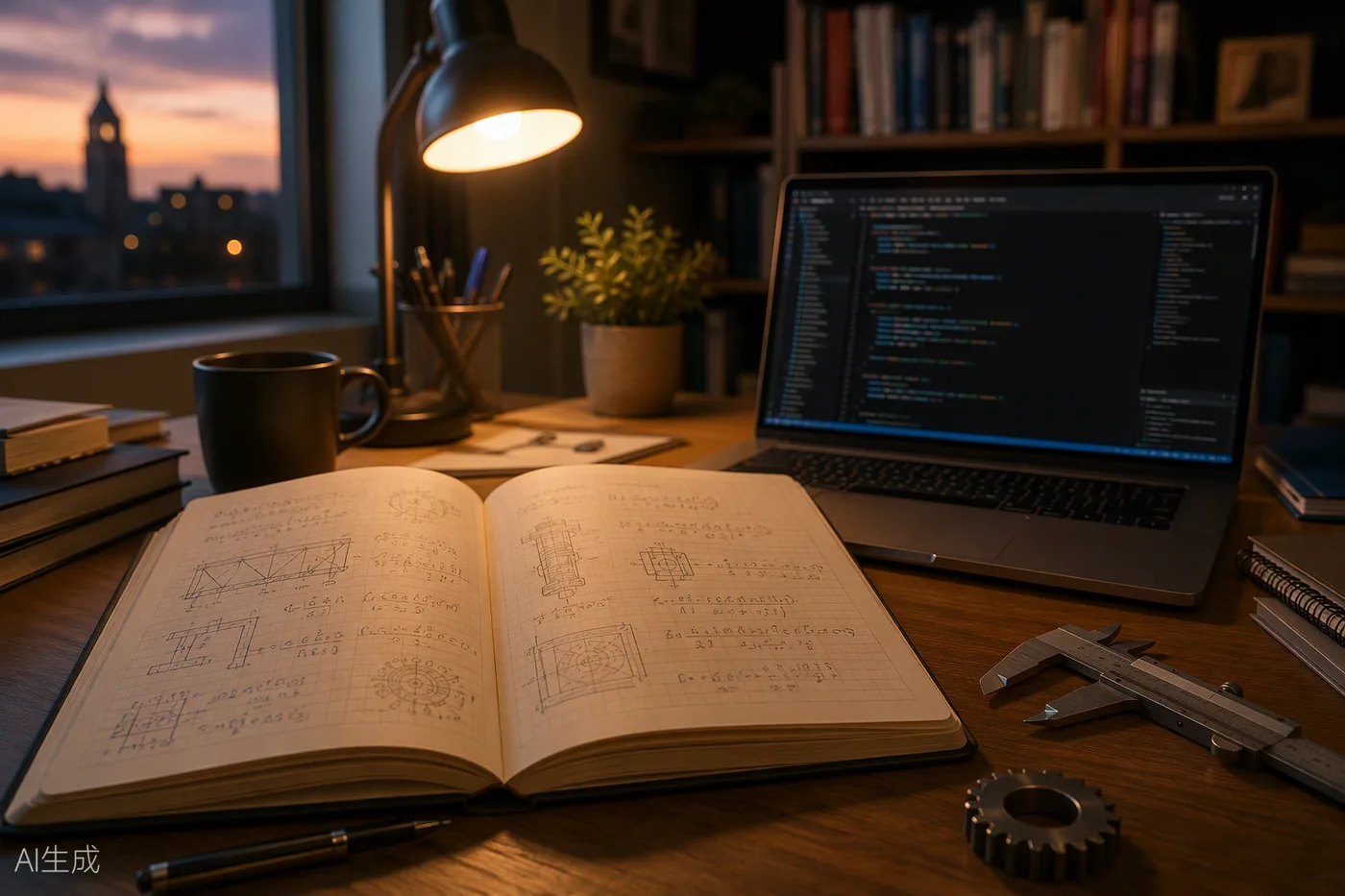
I believe that knowledge only becomes truly mine when I use it. Reading about how a lathe works is one thing; standing in front of the machine, feeling the vibration, and turning a rough metal bar into a precise part is something completely different. Practice turns information into understanding.
Reflection Turns Experience into Growth
After every project or experiment, I ask myself three questions: What went well? What went wrong? What will I do differently next time? In my Circuit Fundamentals Lab, for example, my first circuits rarely worked on the first try — but each failure taught me to check connections systematically instead of guessing.
Curiosity Beyond the Classroom
I see learning as a lifelong habit rather than a task. Music teaches me patience and discipline; reading and films open windows to worlds I have never seen; sports remind me that progress comes from consistent effort. Everything I learn, inside or outside the classroom, shapes the person I am becoming.